

Indoor hydroponics,choose CheerBio

The changes that growing vegetables has brought to my child are surprisingly significant!
Published time:
2024/09/21
Recently, many families have started a popular trend of growing vegetables at home, and this is not simply manual labor.
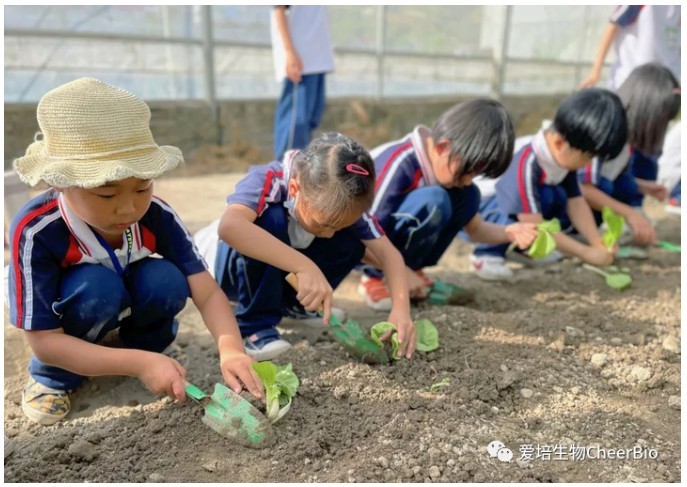
Planting requires the full mobilization of observation, hands-on skills, and thinking abilities. Such an excellent intellectual game—how can you not play it with your children?
When a child eats fresh vegetables they have grown themselves, their happiness likely surpasses any other reward.
Through hands-on work, they gain a visible sense of accomplishment;
Through observation, they discover the wonders of the world, sparking their imagination.
Planting is an action closely connected with nature, and it is also a way to practice nature education. If you haven't learned about nature education before, don't miss this great opportunity to learn with your child!
What is nature education?
If you trace the origin of education, you will find that nature is the source of everything.
In "Spencer's Joyful Education," it is stated: "Nature is a great teacher. She cultivates children's aesthetic sense and strives to inspire their understanding; she tirelessly shows children the laws of the greatest things and carefully cares for their bodies to allow them to rest."
Nature education uses the natural environment as a background, humans as a medium, and scientifically effective methods to allow children to immerse themselves in nature. Through systematic means, it achieves the effective collection, organization, and weaving of natural information by children, forming an educational process of effective logical thinking in social life.
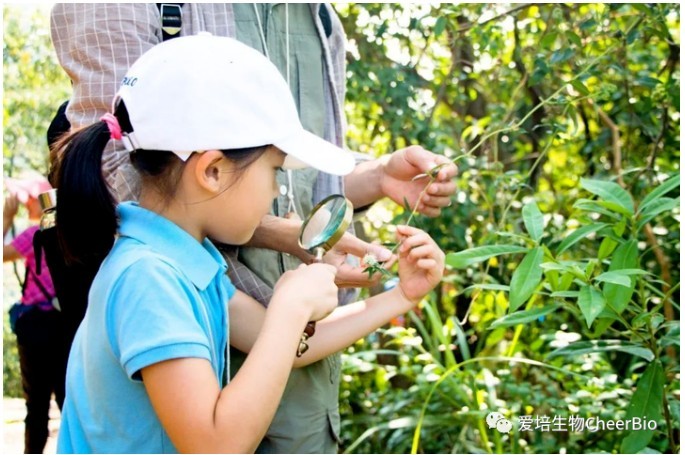
Nature education is also life education for humans.
Although children living in cities are more familiar with social life, humans still belong to nature. Humans and the natural world have a natural connection, and the natural world has a significant impact on our physical development.
Therefore, especially during childhood, children must gain strength from nature to promote their physical and mental development. Furthermore, understanding nature will reduce children's fear of the unknown and allow them to experience the wonders of all things with a more open mind.
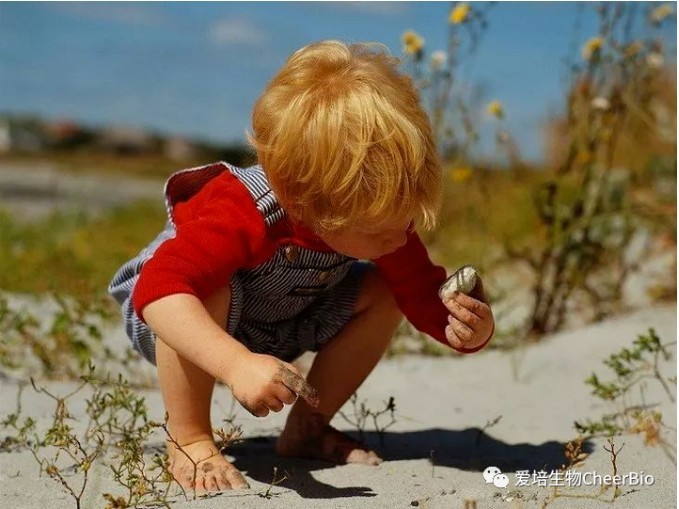
The famous botanist, Spencer's uncle, told a story in the book "Spencer's Joyful Education:"
On a stormy night, young Spencer was trembling with fear from the thunder and lightning. After comforting him, his uncle said, "This is the storm singing. Can you hear it? How majestic."
A clap of thunder sounded, followed by a flash of lightning. His uncle continued, "Listen, there's drumming." "It sounds like many cellos," young Spencer excitedly said, referring to the howling wind outside.
In this way, although the storm continued that night, young Spencer was no longer afraid.
Create a nature education plan for your child!
In daily life, we should create conditions for children to understand and explore nature as much as possible.
You can take your child to buy groceries and learn about various vegetables and fruits through this activity;
Let children participate in tree planting and green belt cleaning activities to enhance their environmental awareness;
If conditions permit, encourage children to plant flowers, plants, or vegetables, and raise small animals, allowing them to learn about the characteristics of plants and animals through practice, cultivate compassion, and understand the laws of nature.
Even if it's inconvenient to go out, you can start joyful nature education with your child.

Nature education has a profound meaning for a child's growth.
If your child has already participated in many plant and animal cultivation activities, that's truly something to celebrate! Nature education truly has a profound meaning for children.
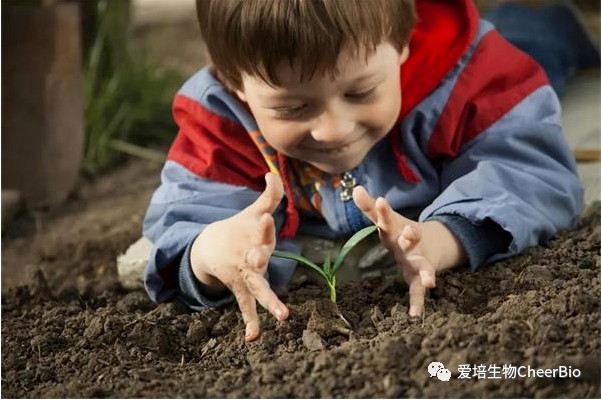
1. Observe life, feel growth
As their interest in observation grows, so does their enthusiasm for caring for living things, and children will naturally appreciate their parents' care.
2. Cultivate a sense of responsibility
When children understand that the growth of the plants they sow depends on their careful watering, and the growth of the animals they raise depends on their diligent feeding, otherwise, the plants will wither and the animals will die, they will become more responsible.
3. Cultivate patience and confidence
When children plant a seed and wait until it bears fruit, experiencing the changes in the plant's growth, they will ultimately gain patience and judgment, reducing impatience.
4. Cultivate feelings for nature
Cultivating plants is the best way to cultivate feelings for nature. Plants constantly display their beauty and richness during their growth: when children cultivate flowers or fruit trees, water them regularly, and finally obtain blooming flowers and ripe fruits, it is a generous gift from nature. The trust in life that arises from this is a form of love.
Nature education is life education, a lesson that parents should seriously teach their children.
Related news







CheerBio technology (Nantong) Co., Ltd.
Address: No. 172, Pujiang Road, Haimen Street, Haimen District, Nantong City

WeChat Official Account

WeChat Customer Service